
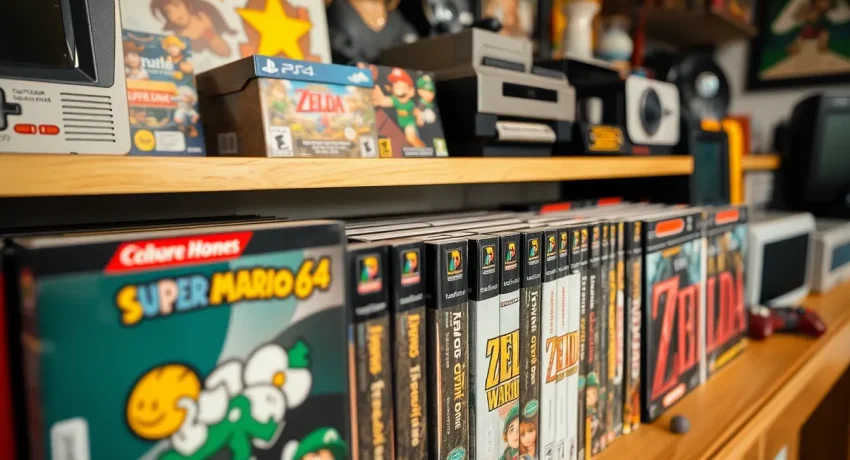

In a world where digital downloads reign supreme, collectible video games have emerged as the ultimate treasure hunt for gamers and nostalgia enthusiasts alike. Imagine unearthing a rare gem from the dusty corner of a thrift store or scoring a mint-condition cartridge at a garage sale. It’s like finding a unicorn—if unicorns came with cheat codes and pixelated graphics.
Collectible video games aren’t just about reliving childhood memories; they’re a savvy investment for those in the know. With prices skyrocketing for classic titles, what was once a simple hobby has transformed into a thrilling quest for the next big find. So grab your controller and dust off those shelves—there’s a whole world of retro gaming waiting to be explored, and who knows? You might just stumble upon the next big collector’s item that’ll make your friends green with envy.
Overview of Collectible Video Games
Collectible video games gain traction as enthusiasts seek nostalgic experiences. The trend shows no signs of slowing down, especially among retro gaming fans. Accessibility to these games has increased through thrift stores, online marketplaces, and garage sales. Finding a rare title can spark immense excitement comparable to discovering treasure.
Many classic titles appreciate in value over time. Prices for sought-after games can escalate dramatically, often reaching thousands of dollars. For example, records indicate that rare copies of games like “Super Mario 64” and “The Legend of Zelda: Ocarina of Time” fetch high prices among collectors. This factor often transforms hobbies into investment opportunities.
Collectors frequently prioritize games based on rarity, condition, and historical significance. Original packaging and instructions can dramatically enhance a game’s value. Condition grading, which ranges from poor to mint, also plays a critical role in valuation. The community around collectible video games fosters camaraderie and shared goals.
As digital downloads dominate the gaming industry, tangible physical copies remain pivotal for collectors. These items serve as reminders of gaming history while also offering a connection to the past. Collectible games appeal not only to nostalgia but also to financial savvy. The potential for profit becomes a driving force for many in the gaming community.
Exploration of collectible video games offers a thrilling journey filled with potential discoveries. Collectors often engage in networking within communities, sharing knowledge and tips. Through events, conventions, and online forums, enthusiasts can gather to celebrate their passion for gaming. This engagement further strengthens the allure of the collectible market.
Factors Affecting Value
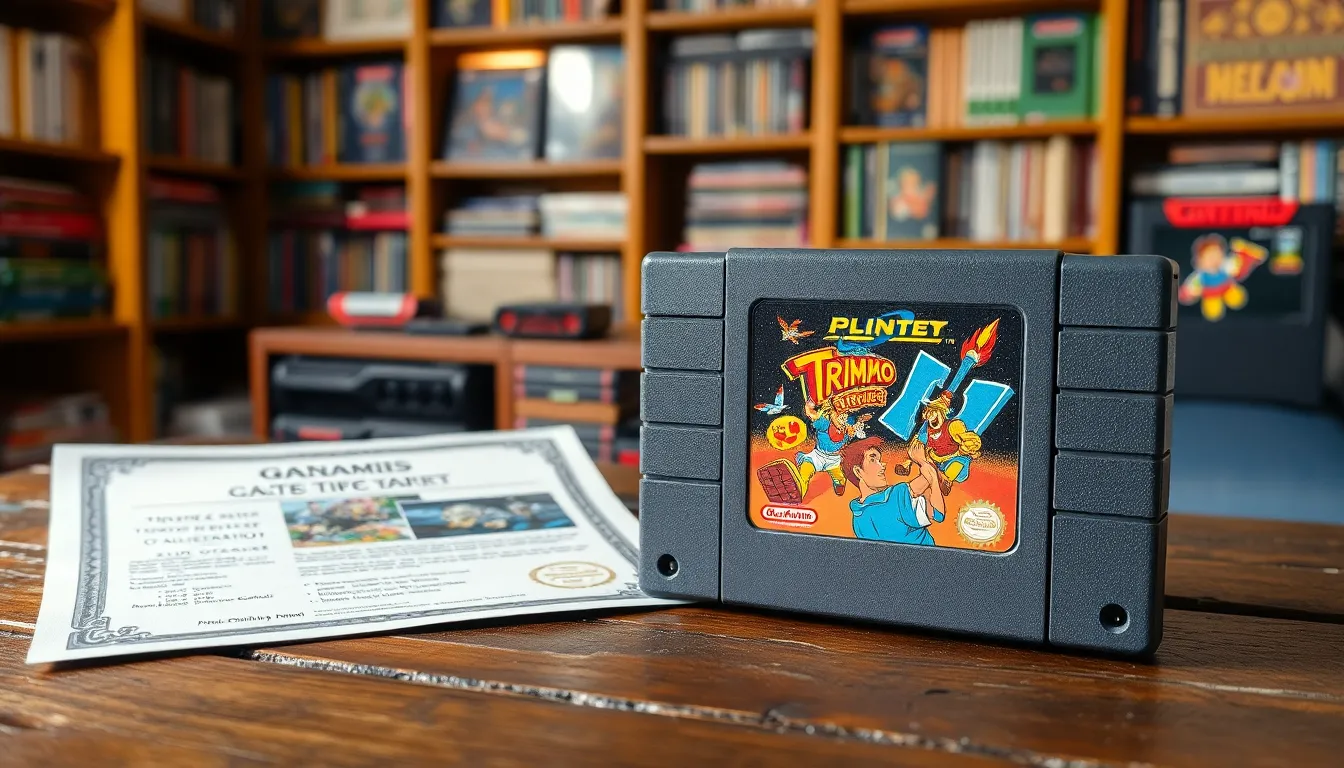
Several elements contribute to the valuation of collectible video games, influencing their market price.
Rarity and Scarcity
Rarity plays a vital role in determining a game’s value. Games produced in limited quantities often attract higher demand among collectors. Scarcity reflects how many copies exist, which directly affects prices. For instance, a game like “EarthBound” for the Super Nintendo, known for its low print run, commands significant attention and higher prices. Scarcity promotes a sense of exclusivity, prompting collectors to seek out these elusive titles. In contrast, games that were widely distributed become less desirable. Collector interest shifts toward those hard-to-find gems, elevating their worth in the marketplace.
Condition and Grading
The physical state of a game greatly impacts its value. Well-preserved titles, with minimal wear and tear, fetch higher prices. Grading provides a standardized assessment of condition, helping collectors understand worth. Professional grading services assign scores based on factors such as packaging, disc quality, and manual inclusivity. High-grade games command a premium, often leading to dramatic price differences. As an example, a copy of “The Legend of Zelda” in mint condition could exceed $200, while a heavily worn copy may sell for less than $20. Condition and grading thus serve as critical influencers in the collectible video game market.
Popular Collectible Video Games
Collectible video games include a variety of cherished titles that appeal to enthusiasts and collectors alike. Two significant categories often emerge in this market: classic titles and rare finds.
Classic Titles
Classic titles hold a special place in the hearts of gamers. Names like “Super Mario 64” and “The Legend of Zelda: Ocarina of Time” exemplify this nostalgia, frequently fetching thousands at auctions. Focusing on original editions enhances the value, as sealed copies attract the highest bids. The charm of these titles underscores their cultural impact, leading to ongoing demand. Popularity increases when collectors seek these games not just for play but for showcasing. Owners often enjoy reminiscing about their childhood experiences, making these collectibles desirable for various reasons.
Rare Finds
Rare finds frequently captivate collectors looking for unique additions to their collections. Titles such as “EarthBound” are prime examples of rarity influencing market dynamics. Limited production runs significantly drive prices upwards, creating excitement among collectors. Significant profits emerge when a rare game is found at a low price, enhancing the thrill of the hunt. Condition plays a vital role, with well-preserved games commanding top dollar. Networking within collector communities can lead to exclusive discoveries, helping enthusiasts locate hidden gems. Each find represents a potential investment and a piece of gaming history, fostering a vibrant collectible culture.
Collecting Strategies
Collecting video games requires a strategic approach to maximize value and enjoyment. Gamers often pursue specific titles or genres to create focused collections.
Building a Collection
Establishing a collection starts with identifying personal interests. Gamers often enjoy classic titles like “Super Mario 64” or rare finds such as “EarthBound.” Researching price trends and market demand helps collectors prioritize which games to acquire. Attending conventions and networking with fellow enthusiasts often leads to rare opportunities. Joining online forums and social media groups also enables collectors to exchange insights and stay updated on market dynamics. Focusing on specific consoles or eras enhances the collecting experience, making it both satisfying and informative.
Preservation Techniques
Preserving collectible video games ensures their longevity and value. Storing games in a cool, dry environment protects against damage from heat and humidity. Using protective cases for discs and boxes prevents scratches and wear. Cleanliness is essential; gently wiping cartridges and discs with microfiber cloths removes dust without risking harm. Professional grading services offer reliable condition assessments, often increasing resale value. Additionally, avoiding exposure to direct sunlight or harsh lighting preserves original packaging. Following these preservation techniques maintains the aesthetic and monetary value of collectible titles, safeguarding investments for the future.
Market Trends
The collectible video game market shows significant growth, especially among retro gaming enthusiasts. Prices for sought-after titles trend upward, with games like “Super Mario 64” and “The Legend of Zelda: Ocarina of Time” consistently fetching high bids at auctions. Collectors focus on rarity, condition, and historical significance, ensuring that original packaging and professional grading influence valuation substantially.
Scarcity drives demand as limited production runs, such as with “EarthBound,” elevate excitement. Higher interest in tangible copies emerges despite the digital gaming era, making physical games vital reminders of gaming history. Community interactions remain strong, as sellers and buyers engage through conventions, forums, and social media to share insights and celebrate their collections.
The impact of game condition on market value remains critical. Well-preserved examples often yield higher returns. Professional grading assessments play a pivotal role in determining pricing; a mint condition copy of “The Legend of Zelda” can surpass $200, contrasting sharply with lower-quality copies that may attract minimal interest.
Classifying collectible video games further illustrates the market dynamics. Classic titles hold significant value, particularly when sealed, as they evoke nostalgia. Rare finds create buzz, spurring intense competition among collectors seeking unique items. Networking within collector circles enhances opportunities, driving discoveries while enriching the collector experience.
Strategic approaches to collecting maximize both enjoyment and investment potential. Gamers often concentrate on specific genres, aligning personal interests with market demands. Networking during conventions and utilizing online resources foster knowledge exchanges that yield valuable insights. Implementing preservation techniques, such as proper storage and protective cases, safeguards investments and enhances long-term value.
The world of collectible video games offers a unique blend of nostalgia and investment potential. As collectors dive into the thrill of the hunt for rare titles and well-preserved classics, they not only connect with gaming history but also engage with a vibrant community of enthusiasts. With strategic collecting and proper preservation techniques, individuals can enhance their collections while potentially reaping financial rewards. The growing interest in retro gaming ensures that the collectible market will continue to flourish, making now an exciting time for both seasoned collectors and newcomers alike.

