


The iconic character of James Bond has captivated audiences for decades, becoming synonymous with espionage, elegance, and adventure. Since his debut in 1962, the suave British secret agent has been portrayed by a variety of actors, each bringing their unique flair to the role. From Sean Connery’s classic charm to Daniel Craig’s gritty interpretation, the evolution of Bond reflects changing cinematic tastes and cultural shifts.
As fans eagerly anticipate the next installment in the franchise, understanding who played James Bond in order offers a fascinating glimpse into the legacy of this beloved character. Each actor not only shaped the film series but also left an indelible mark on pop culture. This exploration dives into the actors who donned the tuxedo, revealing how their portrayals contributed to the enduring appeal of 007.
Overview of James Bond Actors
Various actors have brought the character of James Bond to life, each leaving an indelible mark on the franchise. The following list outlines the actors who portrayed Bond in order, along with their notable films:
| Actor | Years Active | Notable Films |
|---|---|---|
| Sean Connery | 1962–1967, 1971, 1983 | Dr. No, Goldfinger, Never Say Never Again |
| George Lazenby | 1969 | On Her Majesty’s Secret Service |
| Roger Moore | 1973–1985 | Live and Let Die, The Spy Who Loved Me |
| Timothy Dalton | 1987–1989 | The Living Daylights, Licence to Kill |
| Pierce Brosnan | 1995–2002 | GoldenEye, Die Another Day |
| Daniel Craig | 2006–2021 | Casino Royale, No Time to Die |
Each actor brought distinct qualities to the role, reflecting the era’s expectations and cinema trends. Sean Connery established the benchmark for Bond’s suave demeanor. George Lazenby provided a different angle, emphasizing emotional depth. Roger Moore infused humor and charm into the character. Timothy Dalton’s portrayal marked a return to a darker, grittier interpretation. Pierce Brosnan combined charisma with modern action elements. Daniel Craig rejuvenated the franchise with a more rugged and vulnerable Bond, appealing to contemporary audiences.
Understanding this lineup highlights the evolution of the character and the influence of cultural shifts over time. The portrayal of James Bond showcases the diverse approaches to storytelling in the context of espionage and adventure.
Sean Connery’s Legacy
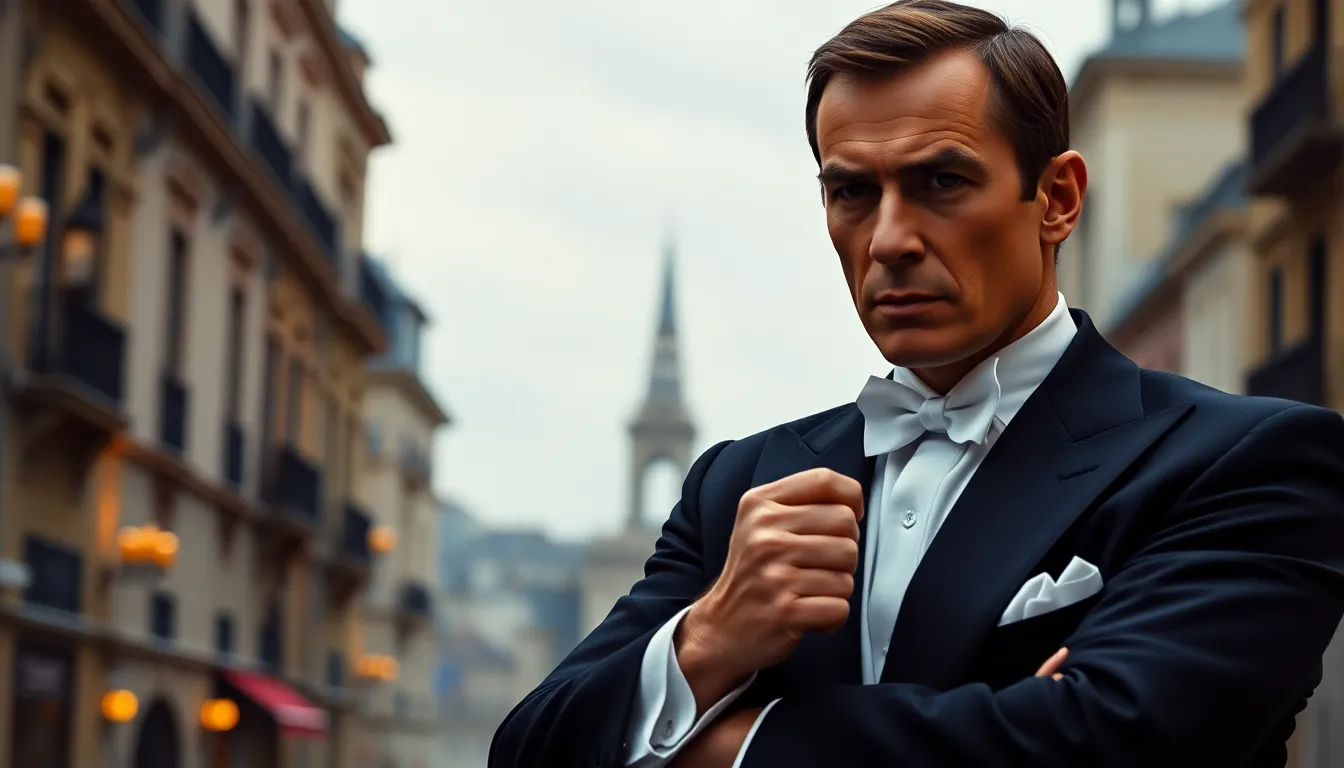
Sean Connery’s portrayal of James Bond remains a foundational element in the character’s history. His unique blend of charisma and style captured audiences and redefined the spy genre.
Early Years and Casting
Sean Connery first became involved with the James Bond franchise in 1961. Producer Albert R. Broccoli and director Terence Young chose him for the role after an extensive search. Despite initial skepticism due to his rugged appearance, Connery’s screen test demonstrated a compelling mix of charm and intensity. He starred as Bond beginning with “Dr. No” in 1962, establishing a benchmark for future actors and ensuring his place in cinematic history.
Iconic Films
Connery starred in a total of seven James Bond films, significantly shaping the series’ identity. These films include:
| Film Title | Release Year |
|---|---|
| Dr. No | 1962 |
| From Russia with Love | 1963 |
| Goldfinger | 1964 |
| Thunderball | 1965 |
| You Only Live Twice | 1967 |
| Diamonds Are Forever | 1971 |
| Never Say Never Again | 1983 |
Connery’s performances in these films introduced notable elements, such as sophisticated gadgets and intricate plots. His commanding presence and delivery also contributed to pivotal moments, earning acclaim for their impact on popular culture. Connery’s Bond set the standard against which all subsequent portrayals would be measured.
Roger Moore’s Era
Roger Moore brought a distinct blend of charm and humor to the role of James Bond from 1973 to 1985. His interpretation highlighted a more lighthearted approach while maintaining the character’s iconic sophistication.
Distinct Style and Flair
Moore’s portrayal introduced a unique style characterized by wit and charisma. He emphasized playful humor, often using clever one-liners and playful banter that distinguished his Bond from previous iterations. His fashion choices, including tailored suits and stylish accessories, epitomized the 1970s and 1980s glamour, appealing to a broad audience. Moore’s physical presence added flair, as he performed stunts and action sequences with a suave confidence that resonated across his films.
Memorable Films
Roger Moore starred in seven Bond films, each contributing to his legacy. The notable films include:
| Year | Film Title |
|---|---|
| 1973 | Live and Let Die |
| 1974 | The Man with the Golden Gun |
| 1977 | The Spy Who Loved Me |
| 1979 | Moonraker |
| 1981 | For Your Eyes Only |
| 1983 | Octopussy |
| 1985 | A View to a Kill |
Live and Let Die launched Moore’s tenure, showcasing his unique style and introducing memorable characters. The Spy Who Loved Me marked a significant success, featuring the iconic underwater Lotus Esprit and culminating in a thrilling confrontation with the villain Karl Stromberg. Through these films, Moore solidified his place in Bond history, blending action with an entertaining flair that remains celebrated today.
Timothy Dalton’s Interpretation
Timothy Dalton portrayed James Bond in a more serious and intense manner, emphasizing the character’s psychological depth and moral complexity. His interpretation marked a significant shift in tone for the franchise.
Different Approach to Bond
Dalton’s approach focused on realism and a darker narrative, distancing Bond from the lighthearted elements of his predecessors. He infused the character with emotional vulnerability through compelling performances. Dalton’s Bond displayed a sense of urgency and moral ambiguity, reflecting the changing societal landscape of the late 1980s. His portrayal not only reinforced the character’s status as a skilled spy but also compelled audiences to engage with Bond’s personal struggles.
Notable Films
Dalton starred in two films:
| Film Title | Release Year | Key Elements |
|---|---|---|
| The Living Daylights | 1987 | Introduced Bond’s emotional depth and realism; featured a high-stakes plot involving arms dealing and the Cold War. |
| Licence to Kill | 1989 | Presented a more personal narrative, showcasing Bond’s quest for revenge; set in the drug trafficking underworld. |
These films emphasized a gritty realism, setting the stage for the Bond stories to evolve further while resonating with contemporary audiences. Dalton’s tenure as Bond, though brief, made a lasting impact, paving the way for future interpretations of the iconic character.
Pierce Brosnan’s Revitalization
Pierce Brosnan’s tenure as James Bond revitalized the character for a new generation. His portrayal blended classic elements with modern action, attracting both long-time fans and newcomers.
Bringing Bond into the Modern Age
Brosnan’s debut in “GoldenEye” (1995) marked a significant shift for the franchise. He combined charisma and sophistication with high-octane action and advanced technology, aligning with the evolving cinematic landscape of the 1990s. His Bond embodied a blend of traditional elegance and contemporary intensity, using humor and charm to connect with audiences. Brosnan brought a sense of vulnerability and emotional depth, reflecting the complexities of modern masculinity while still capturing Bond’s iconic traits. This approach reinvigorated interest in the series, making it relevant in a new era of action cinema.
Key Movies
Brosnan starred in four key films:
| Year | Film Title | Notable Aspects |
|---|---|---|
| 1995 | GoldenEye | Introduced updated technology and a strong plot involving betrayal and espionage. |
| 1997 | Tomorrow Never Dies | Focused on media manipulation and featured a dynamic antagonist. |
| 1999 | The World Is Not Enough | Explored themes of trust and loyalty with a mix of personal stakes. |
| 2002 | Die Another Day | Combined traditional Bond elements with high-tech gadgets and a stylish plot. |
Each film showcased Brosnan’s evolution of Bond, displaying a balance between action, humor, and emotional depth, ultimately redefining the character for the blockbuster age.
Daniel Craig’s Transformation
Daniel Craig’s portrayal of James Bond marked a pivotal shift in the franchise, bringing a gritty and realistic approach to the iconic character. Craig’s depiction infused Bond with emotional depth and a raw vulnerability, steering the series into a darker and more modern direction.
Gritty and Realistic Portrayal
Craig’s Bond emphasizes realism over glamor, showcasing a more complex and troubled character. He navigates personal loss, betrayal, and intense physical challenges, reflecting contemporary themes in masculinity. This shift from the suave, unflappable Bond of previous eras introduces audiences to a character grappling with his vulnerabilities, making him more relatable. The action sequences display heightened intensity, with an emphasis on authentic stunts and physicality, further grounding his portrayal.
Landmark Films
Craig’s tenure includes five landmark films that redefine the Bond legacy:
| Film | Year | Notable Aspects |
|---|---|---|
| Casino Royale | 2006 | Introduces a grittier Bond; focuses on emotional vulnerability. |
| Quantum of Solace | 2008 | Continuation of personal narrative; highlights revenge themes. |
| Skyfall | 2012 | Explores Bond’s origins; presents a more humanized villain. |
| Spectre | 2015 | Connects previous films; delves into Bond’s past and relationships. |
| No Time to Die | 2021 | Concludes Craig’s arc; merges personal stakes with high-stakes espionage. |
These films not only expand the narrative scope but also elevate Bond’s character development, showcasing a journey of self-discovery and redemption that resonated with audiences worldwide.
The evolution of James Bond through its various portrayals reflects a rich tapestry of cinematic history. Each actor brought unique qualities that not only shaped the character but also resonated with audiences in different eras. From the suave sophistication of Sean Connery to the emotional depth of Daniel Craig, these interpretations highlight the dynamic nature of storytelling in the spy genre.
As the franchise continues to evolve, the legacy of these actors remains significant. Their contributions have left an indelible mark on popular culture and set the stage for future interpretations of this iconic character. Understanding who played James Bond in order offers insight into the changing landscape of film and the enduring appeal of 007.

