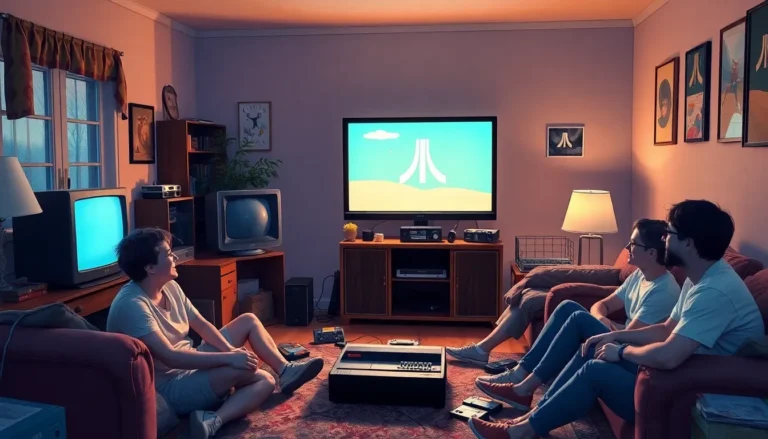
In a world dominated by high-definition graphics and hyper-realistic gameplay, retro gaming stands as a nostalgic beacon for those who remember the pixelated adventures of yesteryear. Imagine a time when 8-bit soundtracks and simple graphics ignited imaginations and brought friends together in living rooms across the globe. Retro gaming isn’t just a blast from the past; it’s a cultural phenomenon that continues to influence modern gaming in ways that’ll make any gamer chuckle with delight.
The Evolution of Retro Gaming
Retro gaming evolved significantly over the years, shaping its current appeal. Understanding this progression highlights the genre’s enduring charm and cultural relevance.
Early Consoles and Their Impact
The introduction of early consoles marked a pivotal change in gaming history. Systems like the Atari 2600 and the Nintendo Entertainment System brought gaming into homes. Gamers experienced simple graphics and easy-to-learn controls, fostering widespread accessibility. Social interactions increased as friends gathered to play popular titles. These consoles created a foundational gaming culture, influencing future platforms and gaming experiences.
Iconic Game Releases of the Era
Memorable games defined the retro gaming landscape. Classics like “Pac-Man,” “Super Mario Bros.” and “The Legend of Zelda” captivated players and set industry standards. Each release offered unique gameplay mechanics and memorable characters. Their soundtracks became iconic, enhancing player emotions and experience. Numerous sequels emerged, ensuring these titles remained relevant and celebrated through decades.
The Cultural Significance of Retro Gaming

Retro gaming holds a unique place in modern culture, combining nostalgia with profound influence on gaming today.
Nostalgia and Its Influence
Nostalgia drives much of the retro gaming phenomenon. Players often reminisce about their childhood experiences with 8-bit graphics and chiptune music. Cherished memories bring communities together, fostering connections that extend beyond just gameplay. These shared experiences help maintain a sense of belonging among gamers. The emotional resonance of classic titles contributes to their ongoing popularity, reinforcing their cultural relevance. Current game developers often draw inspiration from retro aesthetics, showcasing the lasting impact of these early titles. Gamers frequently seek out that vintage charm, embracing the simplicity that once captivated an entire generation.
Retro Gaming Communities
Communities centered around retro gaming reflect the collective love for classic titles. Online forums and social media groups unite enthusiasts, encouraging conversations about favorite games, strategies, and nostalgia. These platforms allow for the exchange of tips on game preservation and restoration techniques. Events like retro gaming conventions further strengthen bonds among fans. Players often showcase collections of vintage consoles and cartridges, highlighting their passion for gaming history. Sharing experiences through live-streaming services creates a vibrant culture where both seasoned gamers and newcomers participate. By celebrating the classics, these communities ensure that retro gaming remains a vital part of the gaming landscape.
The Art and Design of Retro Games
Retro games feature distinctive aesthetics and soundscapes that contribute significantly to their charm. Pixel art draws players in with colorful visuals and simple designs, evoking a sense of nostalgia. Games like “Super Mario Bros.” and “The Legend of Zelda” showcase how limited pixels can create memorable characters and worlds. Developers used straightforward sprites to convey personality and emotion.
Sound design complements visuals effectively through catchy chiptune melodies. These compositions enhance gameplay and embed themselves in the minds of players, elevating emotional connections. Titles such as “Pac-Man” and “Tetris” exemplify how engaging soundtracks become iconic, shaping the overall experience.
Game Mechanics in Classic Titles
Classic titles display innovative game mechanics that established foundational gameplay principles. Level design often focused on gradual difficulty increases, ensuring players remained engaged and challenged. Games typically featured simple controls, allowing anyone to pick up and enjoy.
Power-ups introduced unique abilities, adding an exciting twist to gameplay. “Super Mario” introduced iconic power-ups like mushrooms and fire flowers that changed player dynamics. Moreover, cooperative multiplayer elements fostered social interaction, making gaming a shared experience. Essential gameplay mechanics from this era continue to influence modern games, demonstrating the lasting impact of retro design.
Modern Revival of Retro Gaming
Retro gaming enjoys a resurgence thanks to modern advancements and renewed interest in classic titles. Gamers connect with their nostalgia through various means, including emulators and remastered editions of beloved games.
Emulators and Remastered Versions
Emulators provide a vital platform for experiencing retro games on contemporary devices. Software like Nestopia and ZSNES enables players to enjoy titles from systems such as the NES and SNES. Remastered versions often enhance graphics, improve sound quality, and maintain original gameplay, making classics accessible to today’s audience. Examples like “Super Mario 3D All-Stars” showcase how developers adapt old favorites for new consoles, keeping the spirit alive while attracting newcomers.
Retro Gaming in Contemporary Culture
Retro gaming permeates today’s culture through popular events, merchandise, and online communities. Conventions and gaming expos celebrate nostalgia, highlighting fan-favorite titles and connecting players of all ages. Merchandise such as apparel, collectibles, and fan art showcases beloved characters, further embedding retro games into modern culture. Online platforms facilitate discussions and sharing of experiences, creating vibrant communities that thrive on shared passions for classic gaming. Titles from the past retain relevance as they continue to inspire new releases and collaborations in today’s gaming landscape.
Retro gaming holds a unique place in the hearts of many. Its blend of nostalgia and community fosters connections that transcend generations. The influence of classic titles continues to shape modern gaming experiences while reminding players of simpler times.
As technology evolves, the charm of retro aesthetics and gameplay mechanics remains relevant. This enduring appeal ensures that retro gaming isn’t just a fleeting trend but a lasting legacy. With vibrant communities and a growing market for remastered editions, the spirit of retro gaming thrives, inviting both old fans and newcomers to explore its rich history.