


In a world obsessed with the latest trends, retro fan art stands out like a neon sign in a black-and-white movie. It’s a delightful mashup of nostalgia and creativity that takes fans on a whimsical journey back to the days of cassette tapes and pixelated video games. Whether it’s a quirky take on beloved characters or a tribute to iconic pop culture moments, retro fan art brings a playful twist to the familiar.
Imagine sipping your morning coffee while admiring a vibrant piece that captures the essence of your childhood. It’s not just art; it’s a time machine that transports you to simpler times. So, why not dive into the colorful universe of retro fan art? It’s the perfect blend of humor and homage that’ll leave you grinning from ear to ear, and who knows? You might just find the perfect piece to brighten up your walls and your day.
Overview of Retro Fan Art
Retro fan art combines creativity with nostalgia, appealing to fans of all ages. This art form offers a unique perspective on beloved pop culture elements, such as classic video games, animated shows, and iconic music. Artists often reinterpret familiar characters, infusing them with fresh, vibrant styles that resonate with contemporary audiences.
In many cases, retro fan art evokes memories of simpler times, inviting viewers to reflect on their childhood experiences. Themes of nostalgia often shine through, showcasing symbols like cassette tapes, vintage toys, and retro video game consoles. Each piece can spark joy, transporting individuals back to moments filled with happiness.
Wide-ranging artistic techniques define retro fan art. Some artists utilize digital tools to create high-resolution images, while others prefer traditional methods, like painting and drawing on canvas. Diverse styles emerge, from pixel art inspired by early video games to whimsical illustrations that feature recognizable characters in playful scenarios.
Collecting retro fan art has become increasingly popular among enthusiasts. Many fans display it in personal spaces, such as home offices and living rooms, where it adds character to the environment. Online platforms, like Etsy and social media sites, showcase work from emerging artists, making it accessible for collectors.
Art communities often encourage collaboration and appreciation of retro fan art. Participants engage in discussions through social media, sharing stories and experiences related to their favorite nostalgic elements. Such interactions foster a sense of belonging among creators and fans alike, reinforcing the art form’s enduring appeal.
Popular Themes in Retro Fan Art
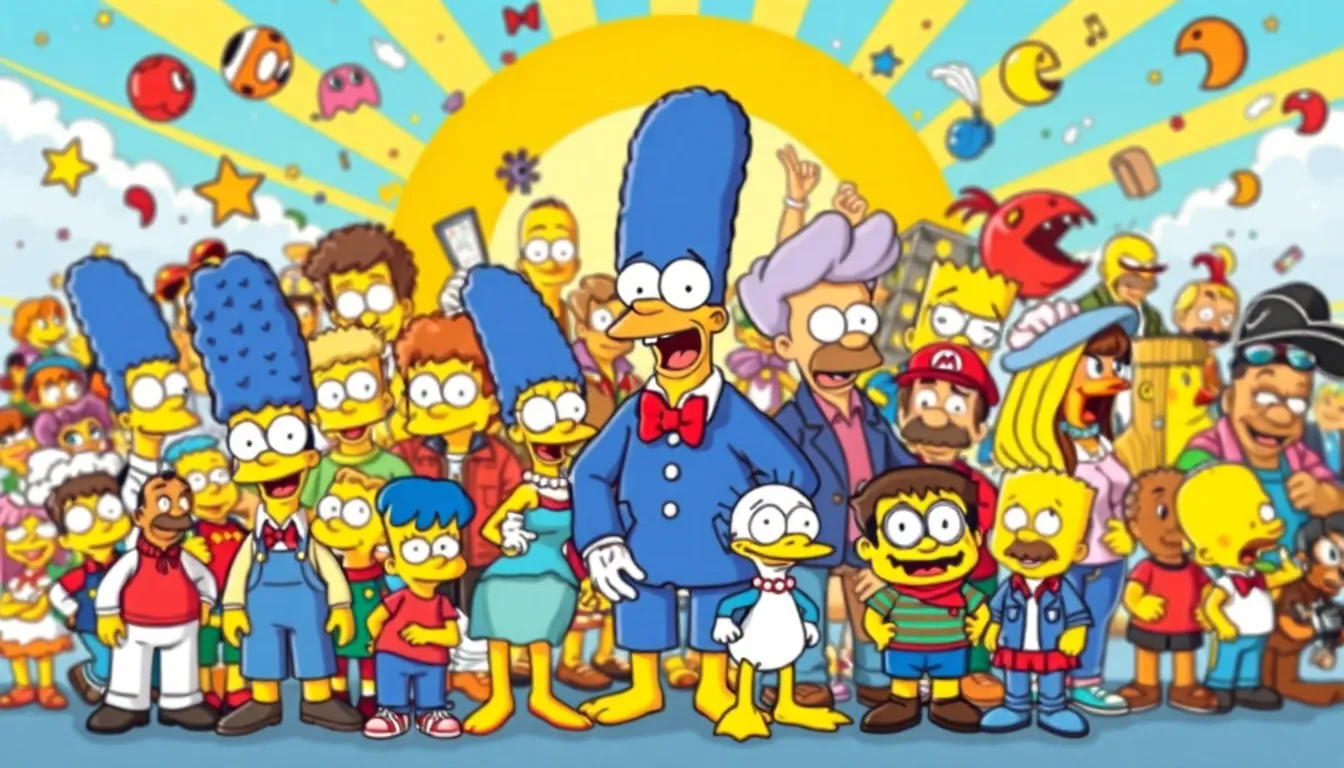
Retro fan art embraces themes that resonate strongly with audiences, often evoking powerful nostalgia for past decades. Artists draw inspiration from various pop culture elements that shaped their childhood.
80s and 90s Nostalgia
The 1980s and 1990s permeate retro fan art, creating vibrant representations of iconic characters and memorable moments. Bright colors and bold designs characterize these artworks, often celebrating classic television shows and movies. Characters from beloved animated series frequently appear, such as those from “The Simpsons” or “DuckTales.” Music icons like Madonna and Michael Jackson also find their way into this nostalgic art, capturing the essence of the era. Nostalgic themes connect fans with shared memories, reinforcing a sense of community among collectors and artists.
Vintage Video Games
Vintage video games inspire a substantial body of retro fan art, celebrating pixelated aesthetics and classic gameplay. Iconic titles like “Super Mario Bros.” and “Pac-Man” dominate this theme, often depicted with colorful graphics that reflect their original charm. Fans appreciate the nostalgia these artworks ignite, as they transport viewers back to arcade days and home consoles. Many artists reimagine favorite characters in unique styles, expanding the traditional representations. The excitement surrounding vintage video games fosters creativity, allowing artists to explore modern interpretations while honoring the past.
Techniques and Styles
Retro fan art employs various techniques that enhance its nostalgic charm. Artists often choose between traditional and digital media, each offering distinct advantages.
Traditional vs. Digital Media
Traditional media includes techniques such as painting, drawing, and printmaking, which often evoke a tactile quality. Many artists enjoy using acrylics or watercolors to achieve vibrant results. Conversely, digital media allows for precise edits and experimentation with layers. Software like Adobe Photoshop and Procreate facilitate intricate designs. These tools empower artists to explore unique styles, blending classic aesthetics with modern techniques. Combining both methods often yields captivating results that appeal to diverse audiences.
Color Palettes and Aesthetics
Color palettes play a crucial role in retro fan art, reflecting the exuberance of past decades. Bright, saturated colors commonly dominate pieces inspired by the 1980s and 1990s. Artists frequently utilize neons and pastels to create eye-catching compositions. A vintage aesthetic emerges through the use of limited color schemes reminiscent of old television shows and video games. Incorporating patterns and textures adds depth, transporting viewers to their favorite memories. Capturing the spirit of eras gone by, these palettes become essential in creating the overall mood of the artwork.
Notable Artists in the Retro Fan Art Scene
The retro fan art scene thrives on the creativity of many talented artists, both emerging and established. They consistently bring nostalgia to life, captivating audiences through unique interpretations of beloved characters and themes.
Emerging Talents
Innovative artists are making their mark in the retro fan art landscape. Young creators often embrace social media platforms to share their work, with Instagram and TikTok serving as popular venues. Many of these talents draw inspiration from classic cartoons and video games, infusing their pieces with modern flair. Frequent references to iconic imagery resonate with collectors and fans alike. As they experiment with various techniques, these artists create distinctive styles that highlight their individuality. Building a community around shared passions, they foster connections that celebrate retro culture.
Established Creators
Renowned artists command attention within the retro fan art community. These individuals often boast extensive portfolios showcasing work inspired by iconic pop culture moments. Several established creators have gained significant followings on platforms like Etsy and DeviantArt, where they sell prints and original artworks. Their familiarity with traditional and digital media allows them to produce captivating pieces, often blending both methods. Many of these artists pay homage to nostalgic franchises such as “The Simpsons” and “Ghostbusters,” reinforcing their status as cultural touchpoints. Their contributions help elevate retro fan art, ensuring it remains a vibrant and cherished part of art culture.
The Impact of Social Media on Retro Fan Art
Social media plays a pivotal role in the emergence and growth of retro fan art. Platforms such as Instagram and TikTok enable artists to showcase their creations to a global audience, fostering connections among fans. Visibility increases significantly, bolstered by the ability to share and engage with posts through likes and comments.
Emerging artists frequently turn to these platforms to gain recognition and feedback. Immediate interaction with followers encourages brief exchanges about artistic techniques and inspirations. Many artists also use hashtags like #retrofanart and #nostalgiaart, effectively reaching specific communities that appreciate vintage aesthetics.
Established creators often maintain a strong presence on online marketplaces, enhancing their brand identities while cultivating dedicated fanbases. Websites such as Etsy and DeviantArt serve as primary venues for showcasing art while facilitating direct sales. The ease of starting an online shop makes retro fan art accessible to more artists and consumers each year.
Communities form within social media platforms, uniting individuals who share similar interests in nostalgic themes. Collaboration occurs frequently through art challenges, where artists interpret characters or moments from classic cartoons and games. This collaboration not only inspires creativity but also reinforces a sense of belonging among fans of retro culture.
Social media has undeniably changed the way retro fan art is consumed and appreciated. The immediacy and accessibility of online interactions enrich the experience for both creators and fans. As nostalgia continues to resonate with audiences, social media offers an ever-expanding space for retro artistry to flourish.
Retro fan art captures the essence of nostalgia while celebrating beloved characters and moments from the past. Its vibrant colors and playful interpretations invite both fans and collectors to explore a world where creativity knows no bounds. The growing community of artists and enthusiasts fosters a shared passion that keeps this art form alive and thriving.
As social media continues to play a pivotal role in connecting creators and audiences, retro fan art is set to remain a cherished aspect of contemporary culture. Whether it’s through traditional techniques or digital innovations, this art form offers a delightful escape into the memories that shaped many lives. Embracing retro fan art not only enriches personal spaces but also strengthens the bonds among those who appreciate its unique charm.

